

A Pioneer in Innovative Life Science Products
Trends and Solutions at a Glance
Life sciences encompass all fields of research concerned with the structure and behavior of living organisms. Specifically, these include the discovery, development, and production of new drugs, as well as improvements in medical diagnostics and food safety. With their expertise and high-end products, SPECTARIS members provide the necessary tools for researchers in life sciences laboratories, thereby enabling cutting-edge research in both academic and industrial settings. On the product side, microscopes for the visualization, measurement, and analysis of microstructures play just as important a role as equipment and accessories for cell, liquid, and sample handling. Key methods include DNA sequencing via PCR (polymerase chain reaction, a method for amplifying genetic material DNA in vitro ) and high-throughput screening for rapid drug discovery.
What do users in the life sciences sector expect from their suppliers?
Results of the workshop “Smart Drug Discovery – The Future Is Now!”, organized by the BioRN cluster at Lab.Vision 2019:
- The range of simple devices and "over-engineered" solutions often exceeds the time and cost constraints of startups
- Interoperability: Standardized Solutions for Data Exchange and Processing
- Shorter time-to-market and delivery times for equipment and replacement parts
- Involvement in the Discovery & Development Process is desired
- Flexibility Through Modular Concepts and Solutions
- Target-Audience-Oriented Sales & Customer Services
3 Questions for…
 In which areas of the life sciences are you active?
We work globally within Roche’s Pharmaceutical Research and Early Development division, supporting our fellow scientists in equipping laboratories with technologies, automation, and all types of consumables. Our slogan is “Expert Solutions for World-Class Science.”
Where do you see the greatest growth potential within the life sciences, and what are the most important technological trends?
In our opinion, one of the most promising areas is the networking and connectivity of laboratories and their equipment. For the most part, we are still far behind in taking advantage of today’s automation capabilities. Many of the workflows and processes in our operations are still very outdated and urgently need to be modernized.
How would you rate your collaboration with your suppliers in the fields of analytical, biotech, and laboratory technology, as well as photonics? Where do you see room for improvement, and what would you like to see?
Unfortunately, our suppliers are largely no better than us in this regard—and I don’t mean that in a positive way. At home, we’ve been talking to our blackout blinds for some time now and turning devices on or controlling them with voice commands or gestures. In our industry, however, we’re struggling with acceptance and support for the foundational elements needed to make this happen—such as the implementation of standards for interfaces. We’re hoping to see the greatest possible improvement and widespread adoption as soon as possible so that the use of such trends and technologies can become a reality in the laboratory environment as well!
 In which areas of the life sciences are you or Abbott active?
Abbott in Germany operates in the following areas: diabetes management, diagnostics, cardiovascular medical technology (diagnostics and therapy), and neuromodulation.
Where do you see the greatest growth potential within the life sciences sector, and what are the most important technological trends?
We see two important trends: On the one hand, life sciences are becoming increasingly personalized due to new developments such as digitalization and “big data,” as well as technical innovations. On the other hand, we’re seeing that people are taking a more active role in managing their health—both preventatively and as part of treatment. Abbott’s portfolio supports both of these trends, as we aim to help people lead fulfilling lives with the best possible health through our products and technologies.
What will be the biggest challenge for your company over the next ten years?
As the society we live in and the health challenges we face are constantly changing, it is crucial to adapt to these changes. With our life-changing technologies, we strive to do just that and to address future health needs as well. Our overarching goal at Abbott is to help people live life to the fullest at every moment and at every stage of their lives through life-changing technologies.
 IIn which areas of the life sciences are you active?
With my research group, “Molecular Imaging of Immune Regulation,” at the Department of Infectious Diseases and Pulmonology at Charité, we are directly engaged in disease-related basic biomedical research. Our research focuses on questions regarding the immune response and its modulation in severe lung infections. Every year, we see many deaths caused by influenza viruses, and according to WHO estimates, a child under the age of 5 dies worldwide every 15 seconds due to this serious disease. For approximately seven decades—that is, since the beginning of the antibiotic era—the mortality rate for this disease has not been significantly reduced, and there is therefore a great need for research worldwide.
For this reason, we strive to develop particularly innovative experimental models that can simulate lung infections in humans as accurately as possible. For over 10 years, we have been using a model that employs native, living human lung tissue to analyze bacterial and viral infections. In addition to biochemical and molecular biological studies, we primarily employ highly advanced microscopic imaging techniques and machine-learning-based analytical methods. To provide even more sustainable technological support in this field, a new development center for multidimensional microscopy was established under my leadership as a partnership between Charité and Zeiss. The goal of this partnership is to translate the latest scientific requirements into industrial products as quickly as possible.
Where do you see the greatest growth potential within the life sciences sector, and what are the most important technological trends?
Although our models are highly specialized for lung research, the technologies and models we use are highly relevant to numerous other organ systems and diseases. We therefore collaborate in an interdisciplinary manner with numerous partners in the scientific community who have set themselves the goal of generating tiny functional organ units from human stem cells. These so-called organoids will play a key role in the coming years and may become highly relevant not only for disease research but also for transplant medicine. In addition to high-end imaging, high-throughput “-omics” technologies play a particularly leading role here. Genomic, transcriptomic, and proteomic analyses are conducted down to the single-cell level, which must also be analyzed and integrated using innovative bioinformatics. In addition to these two key technologies for analysis, however, other highly innovative techniques are currently available that are crucial for “model engineering.” These include not only stem cell technology but also gene editing methods such as CRISPR/Cas, 3D printing, and microfluidic systems. In my opinion, these fields hold very high growth potential.
How would you rate your collaboration with your suppliers in the fields of analytical, biotechnology, and laboratory technology, as well as photonics? Where do you see room for improvement, and what would you like to see?
Overall, I view collaboration with industry partners in these fields very positively. The scientific community benefits enormously from numerous new developments in industry, and companies generally show a high degree of interest in understanding the processes and requirements of biomedical researchers. Unfortunately, however, economic interests often stand in the way of the targeted design of technologies, meaning that important research questions cannot be adequately addressed. In addition, there is very high cost pressure that can hardly be met by the funding levels available in academia. We would like to see not only more and closer collaborations but also ones that are less burdened by budget constraints—collaborations that allow us to address, as efficiently as possible, the products of our industry partners on the one hand, but especially the pressing biomedical questions on the other.
 IIn which areas of the life sciences are you active?
At HAWK in Göttingen, within the "Plasma and Laser Technologies" research focus area, we are engaged in the research and development of product and process innovations using optical technologies—in particular, plasma and laser technologies. Our key R&D partners include industrial companies and SMEs in the upstream and supplier sectors of the healthcare industry, as well as research institutions with complementary expertise, such as the Fraunhofer IST—Application Center for Plasma and Photonics, the University Medical Center Göttingen (UMG), and the Max Planck Institute for Experimental Medicine (MPI-EM). As part of the BMBF’s “FH-Impuls” program, we have been intensifying our R&D activities since 2017 within our “Plasma for Life” partnership to generate new insights and solutions for life science-specific challenges in the healthcare industry (medical technology, biotechnology, orthopedic technology).
Where do you see the greatest growth potential within the life sciences sector, and what are the most important technological trends?
We expect to see an increase in personalized products for personalized medicine and therapies, as well as for innovative laboratory research—including, for example, production in batch sizes as small as one. We are also observing a continued rise in the use of disposables instead of, for example, metal products for manufacturing and/or glass for packaging. Product and process innovations are currently in high demand, particularly in the fields of bioprocess technology, medical technology, orthopedic technology, and packaging technology, driven in part by highly specialized coating and surface pretreatment technologies and processes. New materials and material innovations—including new material combinations and composites, such as biopolymers, silicones, and technical textiles—are increasingly being used to reduce costs and to achieve new and improved product properties and functions. “Smart” treatment methods utilizing (miniaturized) measurement and control technology, along with data transmission, are increasingly being used for personalized in-situ therapy; combined cleaning methods enhance hygiene standards. Finally, we expect that the increased use of IT-supported big data analytics—including the growing use of image analysis algorithms—will lead to better and faster detection and evaluation of various clinical presentations, thereby supporting and refining treatment and surgical decisions.
How would you rate your collaboration with your suppliers in the fields of analytical, biotechnology, and laboratory technology, as well as photonics? Where do you see room for improvement, and what would you like to see?
Communication with suppliers has generally been very quick and easy; whether by email or phone, we always received a prompt response. Delivery times are also satisfactory. The prices are reasonable (though you always have to compare websites). We see room for improvement on the websites: the information about individual items is often inconsistent and incomplete. More images of the items offered would also be helpful.
Life Science Products in Use
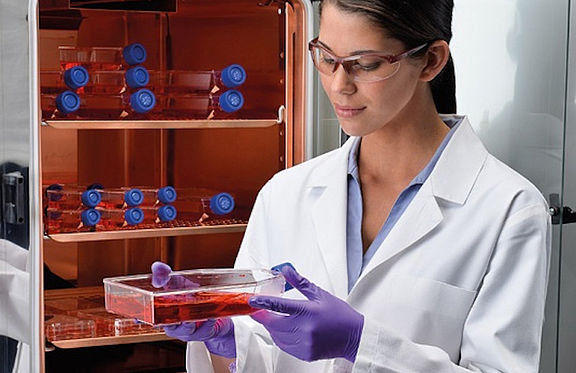
The innovative Thermo Scientific™ Heracell™ VIOS CO₂ incubator and Thermo Scientific™ Nunc™ cell culture flasks provide ideal growth conditions for sensitive cell cultures, such as stem cells and primary cells, which are used in pharmaceutical and clinical applications as well as in research.
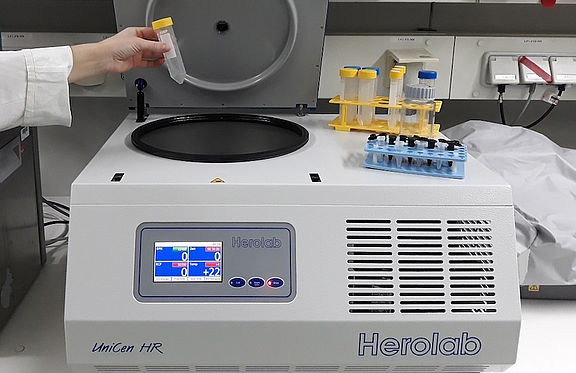
UniCen HR Centrifuge (Herolab GmbH Laboratory Equipment) Centrifuges are part of the standard equipment in life science laboratories: By utilizing gravity (rotation), liquids and particles are separated from one another in laboratory samples; the benchtop centrifuge shown here generates up to 70,434 x g. After this preparatory step, the laboratory samples are analyzed biologically or medically.
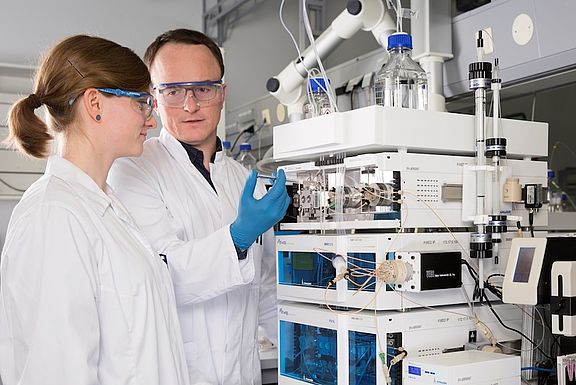
Biomolecules are often the first building block in drug development in the biopharmaceutical industry. Life science laboratories often use fast protein liquid chromatography (FPLC; example system from KNAUER) for their isolation.
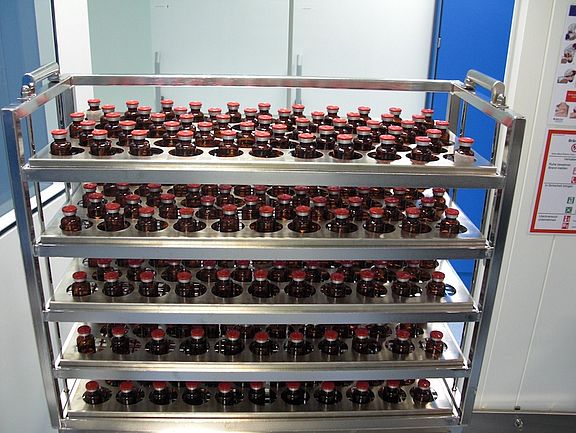
Expertise in Sterilization and Disinfection Technology—Innovative and Modular Systems for the Life Sciences Sector and Industry.

Steelco Installation Example - A rack washer (on the left) and two floor-level, drive-through sterilizers in a life sciences laboratory
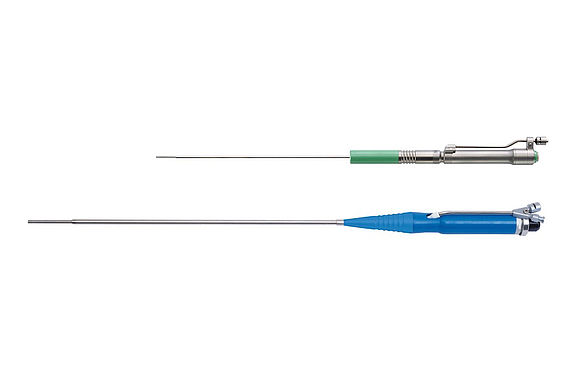
With the ENP micro-instrument—the world’s only endoscopic ultrasonic aspirator for neurosurgery—and the LUD macro-instrument—the world’s thinnest ultrasonic dissector for laparoscopic liver surgery—Söring meets the needs of minimally invasive surgeons who want to keep incisions through the skin as small as possible.
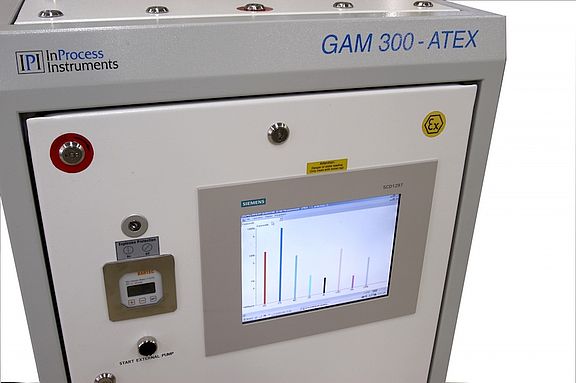
Mass spectrometers continuously measure the composition of the gas phase in the fermenter and help control the fermentation process.
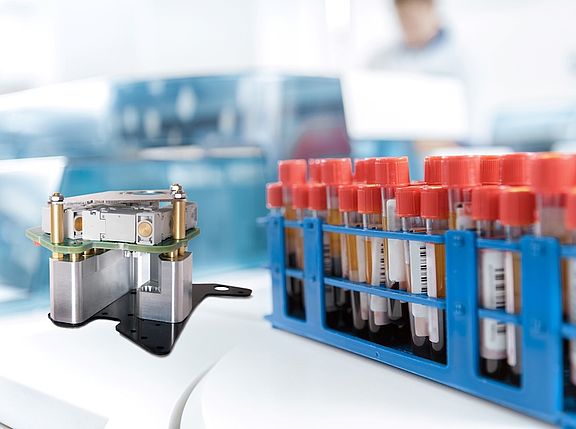
Electropneumatic functional module for mobile point-of-care HIV diagnostics.
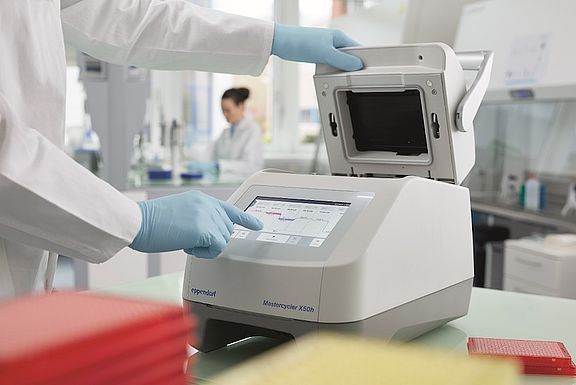
Eppendorf products support applications in life science laboratories in a variety of ways. The Mastercycler X50 is a next-generation PCR cycler that, with its 2D gradient technology, makes optimizing PCR reactions even easier and faster. In addition, the intuitive user interface on this and other Eppendorf devices enables time-saving programming and monitoring of laboratory processes.
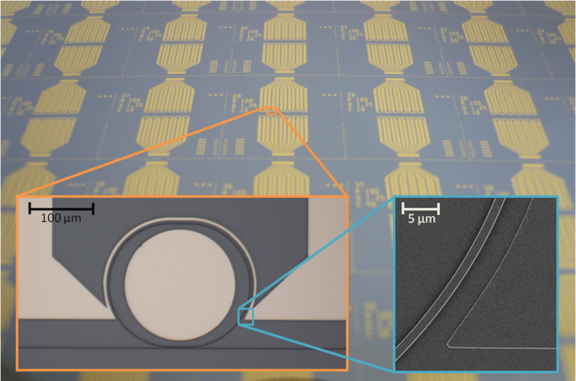
HHI's micro-ring resonators enable sensitive and cost-effective custom sensor systems for diagnostics based on standard telecommunications components.
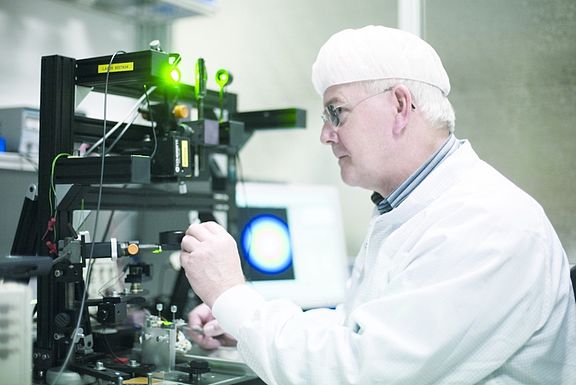
A diode-pumped solid-state laser is being adjusted here. The green light is laser light at 532 nm. The monitor is used to observe the beam quality during the adjustment.
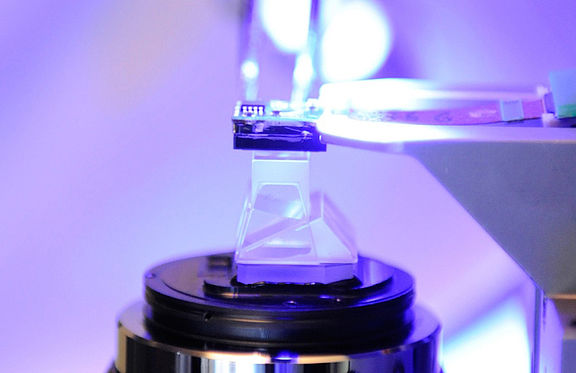
The multi-chip prism assembly, which is aligned with the highest precision, separates the different wavelengths of light and is used, for example, to detect the faintest fluorescence signals.
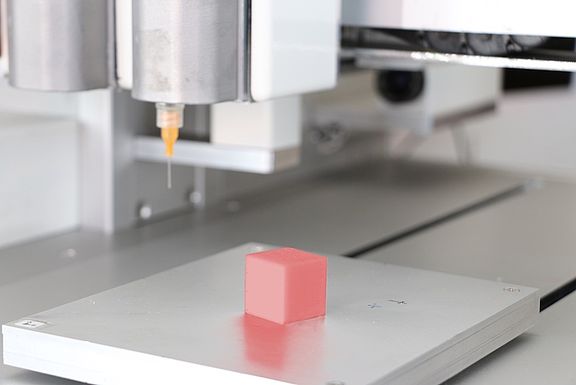
From 3D bioprinting to middleware solutions: infoteam Software AG develops customized, standards-compliant software solutions for life sciences applications.
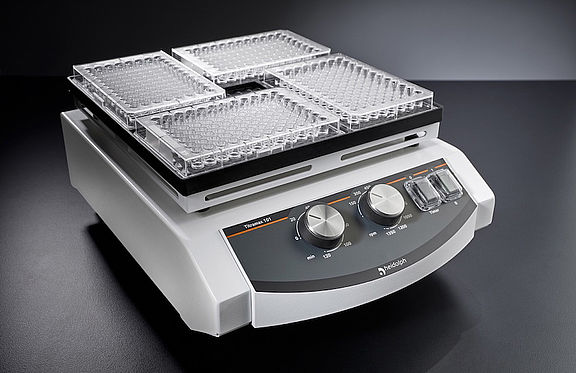
The Titramax ensures reproducible results and uniform mixing in microtiter plates, for example in assays for the detection of proteins.
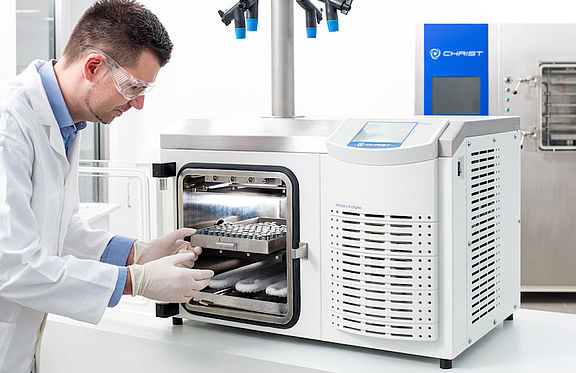
Customized solutions for your valuable products using highly specialized freeze-dryers for life sciences laboratory processes.
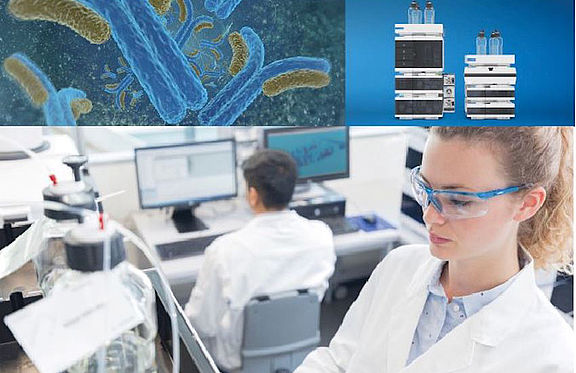
Two-Dimensional Liquid Chromatography (2D-LC): A New Dimension in the Characterization of Biopharmaceuticals.
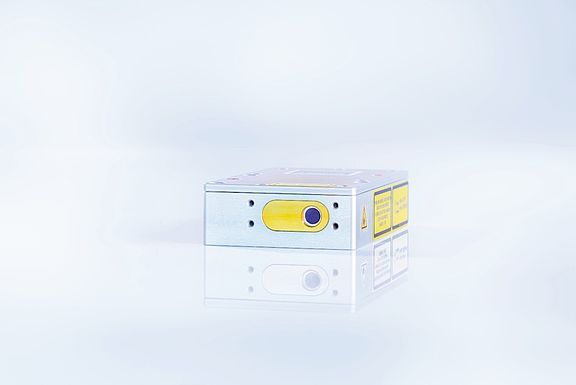
Jenoptik is a leading provider of laser sources for ophthalmology, which are used in therapies such as glaucoma treatment and for retinal diseases.
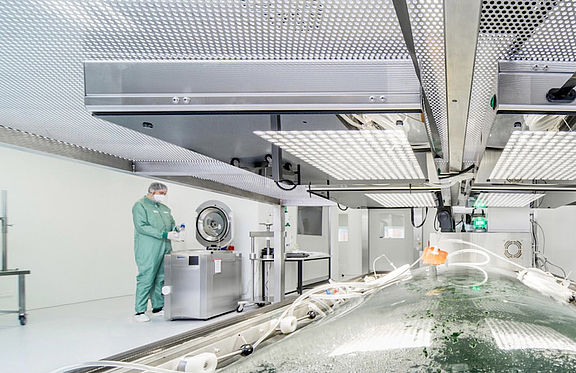
Systec autoclaves are used in the biopharmaceutical industry for the production of biotechnologically manufactured active pharmaceutical ingredients.
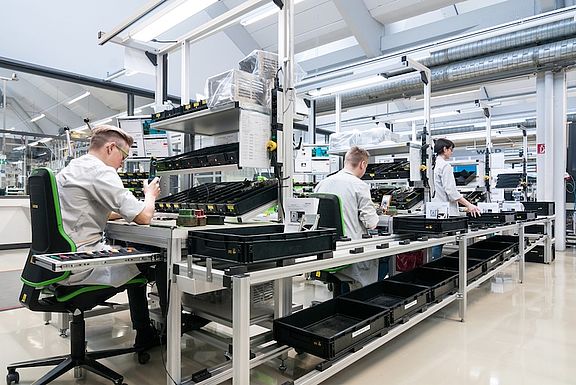
The WILD Group develops and manufactures optomechatronic products for laboratory technology, in vitro diagnostics, and the medical and life sciences sectors, and operates exclusively on a contract basis.
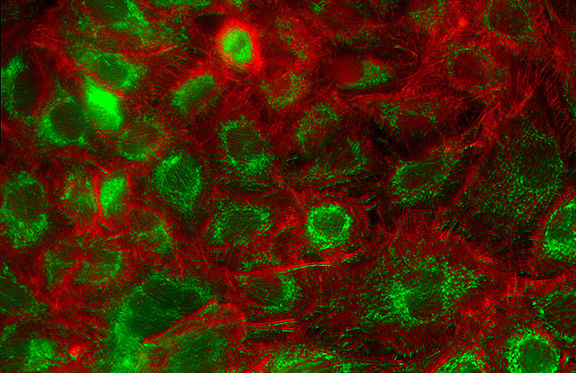
BeamTuning by asphericon enables uniform illumination (homogeneity > 95%) and seamless stitched imaging with minimal image overlap (5%).
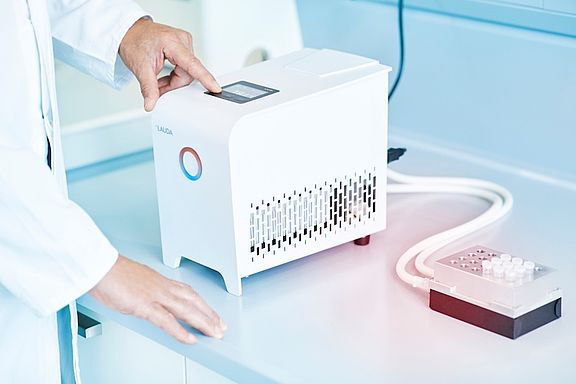
The LAUDA LOOP circulation thermostat enables precise and constant temperature control of small sample volumes in life science laboratories. Its compact design and rapid heating and cooling capabilities between 4 and 80 °C make the LAUDA LOOP the ideal tool for daily sample preparation.
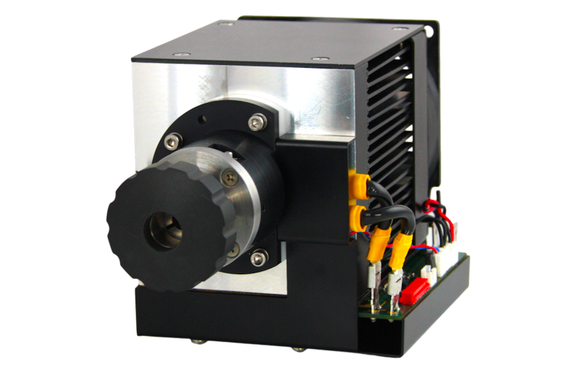
The FOLED OEM modules are designed and engineered—among other things—for use in the medical field. Various analog and digital interfaces facilitate process control. The advanced driver technology enables analog brightness control and rapid pulsing of the high-power LEDs via Ethernet or USB, as well as the implementation of an electronic shutter. The coupling of the LED to the light guide using a specially developed fiber optic system is highly efficient and guarantees maximum luminous flux even with a small active diameter.
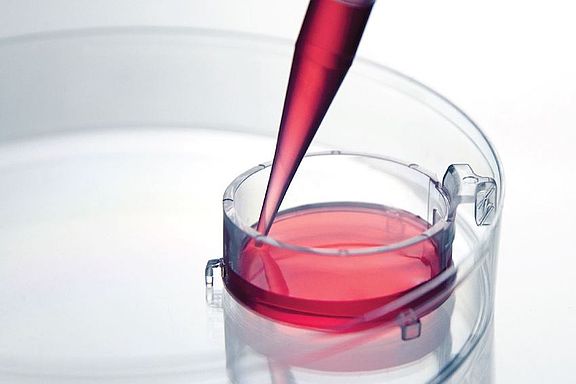
BRAND 2-in-1 cell culture inserts are used for both upright and hanging cell culture, for example, in the production of skin models.

After years of life-science testing, the innovative CCSV ventilation mode helps emergency medical services with resuscitation.
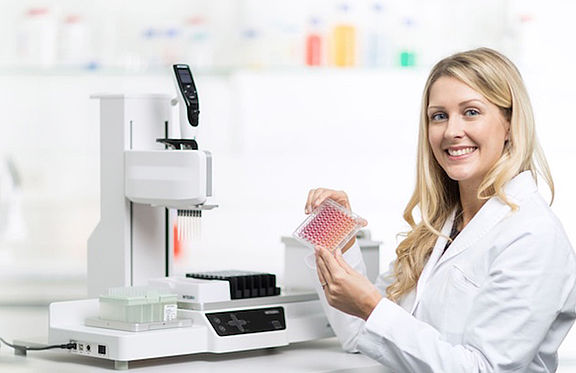
With the ASSIST PLUS pipetting robot, INTEGRA demonstrates how easily manual pipetting protocols can be automated, thereby simplifying day-to-day lab work.
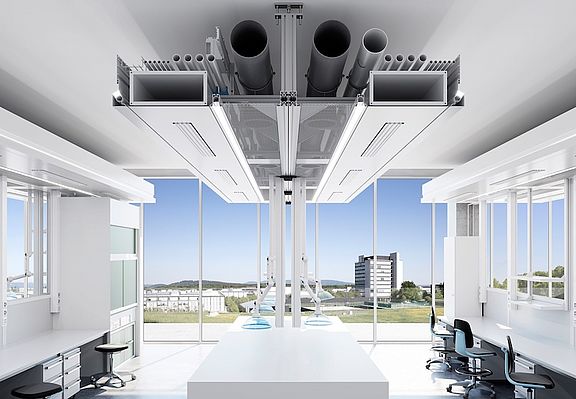
Wobatech Infrastructure Solutions for Rooms and Buildings—flexible applications, quickly and cost-effectively adapted throughout their entire service life, and not just for use in the life sciences!
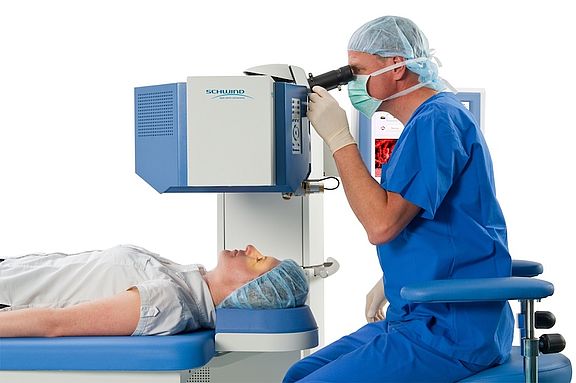
Treatment of refractive errors with a SCHWIND excimer laser. SCHWIND excimer lasers offer cutting-edge technology and treatment comfort. The SCHWIND AMARIS can be used to treat nearsightedness, farsightedness, astigmatism, and presbyopia.
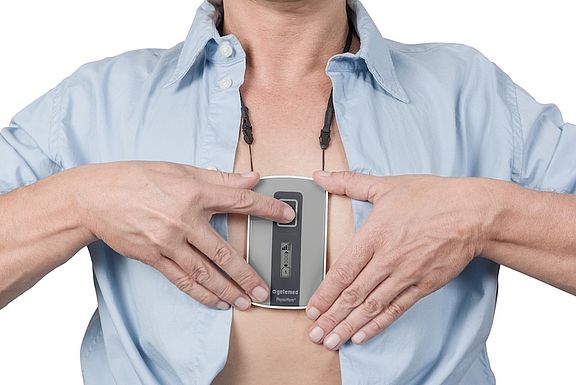
With telECG event recorders such as thePhysioMem® PM 100, patients can record an ECG themselves at any time and in any location, thereby contributing to a rapid and personalized diagnosis of cardiac arrhythmias.
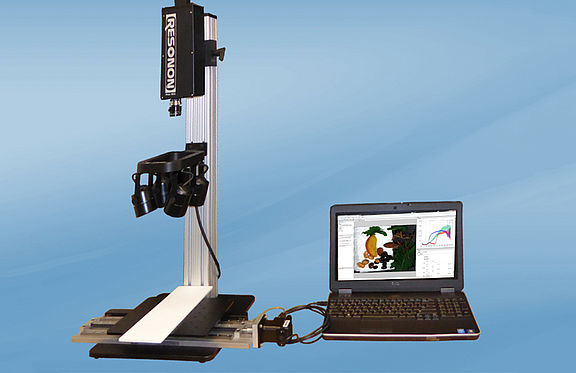
Resonon Pika Hyperspectral Camera Systems: Used in wound healing research.

Ultrafast lasers enable bioimaging through two-photon excitation in neural networks.
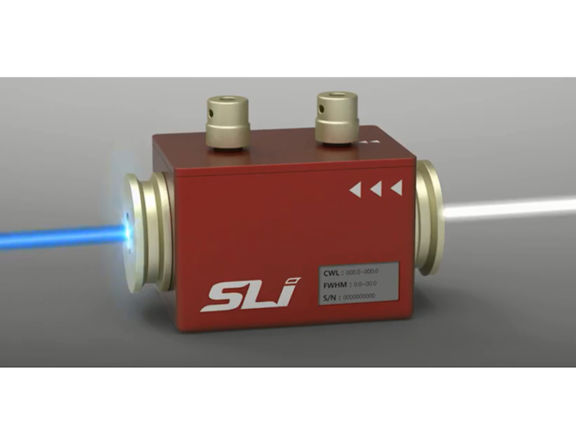
Using a flexible yet highly precise light source, the excitation range of the fluorescent marker can be targeted even more accurately, thereby optimizing image formation.
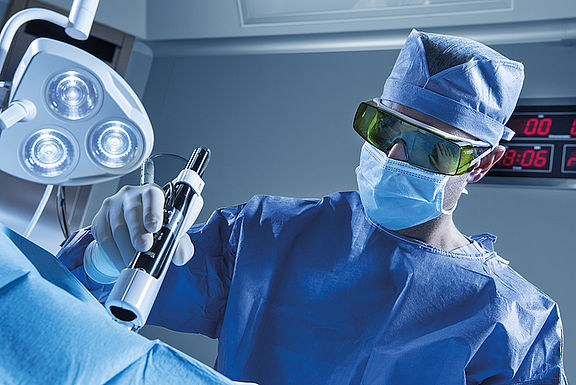
Certified laser safety goggles offer both optimal comfort and reliable protection during medical laser procedures.
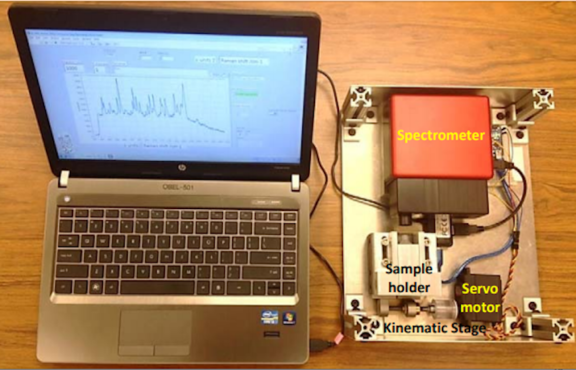
Wasatch Raman Spectrometer for point-of-care diagnosis of gout and pseudogout.
Our Partner Network:
- Organic Germany
- biosaxony
- BioRN - Rhine-Neckar Life Science Cluster
- Fraunhofer Life Sciences Group
- Society for Biochemistry and Molecular Biology (GBM)
- Lifescience North
- Association for General and Applied Microbiology (VAAM)
- Journal Laborjournal
- Journal BIOspektrum
- Trade Show Overview on the AUMA (enter “biotechnology” as a keyword)
Our Services:
- A voice for the German enablers of the life sciences industry
- Platforms for networking with like-minded companies
- Regulatory Affairs: MDR, IVDR, and Others
- Cybersecurity
- Industry data and practical business knowledge, from purchasing to sales
- Customs and Export Controls: Information on Sanctions Regimes and Regulations
- German joint booths at selected international trade shows
These SPECTARIS member companies make life sciences possible:
- Agilent
- asphericon
- Berlin Glass
- BRAND
- Eppendorf
- Fraunhofer HHI
- getemed
- Heidolph Instruments
- Herolab
- HNP Microsystems
- Infoteam Software
- InProcess Instruments
- INTEGRA
- JENOPTIK
- KENDRION Kuhnke
- KNAUER
- Laser2000
- Lasos
- LAUDA
- Lautenschläger
- Lighting & Electronics Jena
- Martin Christ
- membraPure
- SCHWIND
- Sigma
- Söring
- Steelco (Member of the Miele Group)
- Systec-lab
- ThermoFisher
- Volpi Group
- WEINMANN
- WILD Group
- WOBATECH
- Zeiss
What Our Members Say
SPECTARIS acts as a strong association that vigorously represents the interests of its members in the political, business, and social spheres.
“SPECTARIS acts as a strong association that vigorously represents its members’ interests in the political, business, and social spheres. As members, we have the opportunity to actively raise our concerns and help shape the agenda to ensure that our voice is heard in relevant political and social discussions. In addition, through SPECTARIS, we have access to a broad network of companies, experts, and decision-makers from the high-tech industry. This allows us to forge valuable contacts and leverage synergies. Through this exchange, we and other members can benefit from each other’s experiences and expertise.”
Frank-Martin Rammelt, Managing Director of seleon GmbH

Together, we are strong.
Together we are strong—That is why we value the strong network and the open and excellent collaboration within the association, which allows us, as one of the leading manufacturers, to work together on solutions to the modern challenges in the contact lens industry, to collaborate on joint campaigns, and to capitalize on identified trends.
Johannes Zupfer, General Manager for Germany, Austria, and Switzerland, CooperVision GmbH

Advancing Photonics
Photonics is one of the most innovative key industries and places high demands on the organizations that represent its interests. SPECTARIS meets these demands in a compelling manner. As a strong industry association, SPECTARIS effectively represents the interests of its members in the political, business, and social spheres, while also promoting exchange and networking within the industry. We thank SPECTARIS for this commitment and greatly value our trusting collaboration.
Dr. Ralf Kuschnereit, JENOPTIK AG

OBE relies on high-quality products “Made in Germany.”
OBE relies on high-quality products “Made in Germany.” Thanks to innovation and automation, spring hinges and security screws can be manufactured in large quantities at the Ispringen facility. This goes hand in hand with increased productivity and a division of labor for simple products at our facility in China. In this way, we secure jobs in Germany.
Peter Specht / Erik Schäfer - Managing Directors, OBE
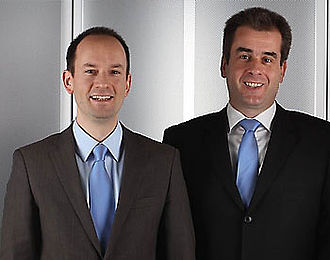
Community makes us strong!
For us as medium-sized companies, the SPECTARIS association serves as a bridge between the government and our interests—our collective strength makes us stronger! We appreciate the very helpful continuing education program in the field of medical technology and benefit from the organization of a wide variety of delegation trips. Our membership in SPECTARIS also ensures that we receive regular updates on new regulatory requirements.
Maik Greiser, Managing Partner / CEO, ATMOS MedizinTechnik GmbH & Co. KG

The association offers services that are perfectly tailored to our needs.
Our industry association, SPECTARIS, is a strong advocate for the interests of medium-sized, owner-managed companies like ours. It is just as important to us that the association provides a platform for open dialogue among member companies and offers services—such as industry reports and events focused on specific topics—that are perfectly tailored to our needs.
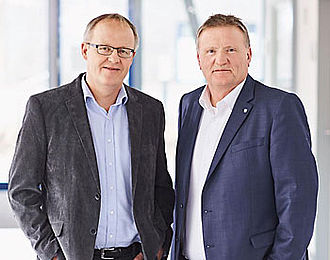
Managing Partners of Jüke Systemtechnik GmbH, Martin Hovestadt (left) and Heinrich Jürgens (right)
A Voice for Medical Technology
For us as a medical technology manufacturer, SPECTARIS serves as an important voice in our dealings with policymakers. Especially in light of the current MDR, it is immensely important to have a strong and effective association to represent our interests. We are very satisfied with our collaboration and feel well represented.
Regina Kirchner-Gottschalk, Managing Director of KaWe – KIRCHNER & WILHELM GmbH + Co. KG
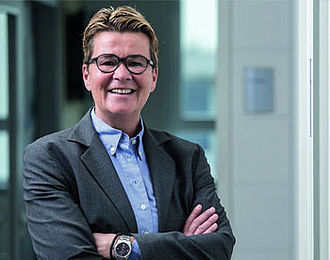
Innovation drives us forward
Demands are growing, markets are changing—but innovation opens up new paths for us. With digital progress, bold ideas, and modern processes, we are shaping the standards of tomorrow. As a SPECTARIS member, we leverage the strength of the network to actively shape the future in this dynamic environment.
Fabian Bohnen, COO / Stephan Börner, CEO, Ofa Bamberg GmbH

What we particularly appreciate about SPECTARIS is its technical expertise.
As a medium-sized medical technology company, Richard Wolf benefits greatly from SPECTARIS’s extensive network. We particularly value their technical expertise.
Management of Richard Wolf GmbH: Mr. Pfab, Mr. Steinbeck
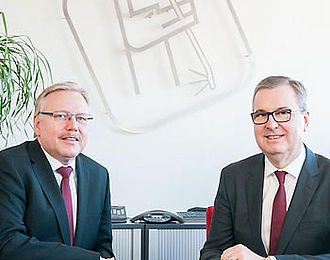
It's worth getting involved!
In times of rapid and far-reaching changes in the medtech industry and a challenging regulatory environment, SPECTARIS is an important partner for our company and plays an indispensable role as an advocate for our interests in Berlin and Brussels. It’s worth getting involved!
Bert Sutter, Managing Director, Sutter Medizintechnik GmbH

We want to be a trusted partner for our laboratory customers, both today and in the future.
SPECTARIS’s in-depth information on industry and technology trends, as well as the regulatory landscape, is just as important to us as its advocacy work in Berlin and Brussels. The dedicated SPECTARIS team is always a great point of contact for us.
Dr. Christoph Schöler, Managing Partner, BRAND GMBH + CO KG, VACUUBRAND GMBH + CO KG

A voice for the industry
In a diverse and specialized industry such as analytical technology—which is highly technical and subject to numerous regulatory requirements—small specialists compete with large technology conglomerates. SPECTARIS succeeds in uniting the interests of all its members and serves as the industry’s collective voice and advocate.
Albrecht Sieper, Managing Director of Elementar Analysensysteme GmbH
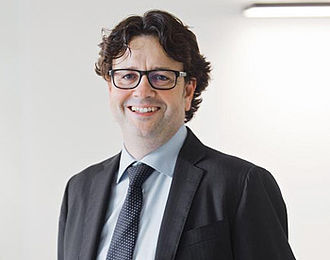
SPECTARIS is the ideal platform.
SPECTARIS provides us with the ideal platform for constructive dialogue with member companies and serves as a reliable voice for the laboratory industry in the realms of politics and science.
Dr. Gunther Wobser, Managing Partner of LAUDA DR. R. WOBSER GMBH & CO. KG
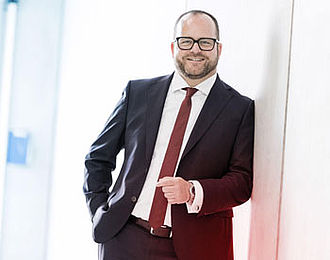
SPECTARIS fosters collaboration in our industry.
“The very informative discussions at SPECTARIS in Berlin and here at our office convinced me of SPECTARIS’s commitment and the quality of its work. In particular, the opportunity to combine topics from analytical, biotechnology, and laboratory technology with the field of medical technology is very interesting for Sigma,” I wrote upon joining in 2011. This has been confirmed, and today we are actively involved in several working groups.
Dr. Michael Sander, Managing Director of Sigma Laborzentrifugen GmbH
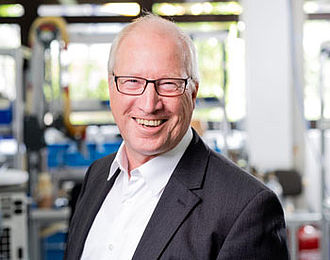
National advocacy group puts the spotlight on the industry
Laser Components benefits from the industry association in a variety of ways. As a company, we value the broad exchange of information within the working groups—whether in human resources, marketing, or export control, customs, and foreign trade practices. For our industry, Spectaris also serves as a political voice—the Photonics Trade Association not only maintains constant communication with the BMWi and BMBF ministries but also provides information on European initiatives.
Patrick Paul, Managing Director of LASER COMPONENTS GmbH
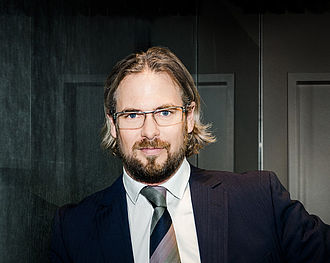
A Voice for Innovative Small and Medium-Sized Businesses
In the century of the photon, we need an advocacy group that is both strong and responsive. For us, as providers and consultants for the most innovative products on the global photonics market, this institution is particularly important. We know our interests (e.g., in the area of foreign trade) are in good hands, and we can focus on what matters most: satisfying our customers.
Andreas Börner, Managing Director of Laser 2000 GmbH

Our membership in the SPECTARIS industry association is of great value to us.
It not only gives us access to a strong network of leading companies across various high-tech industries, but also provides an important platform for professional exchange and continuing education. In addition, we benefit from the association’s strong advocacy with policymakers, the business community, and society at large, which plays a crucial role in creating a sustainable framework for the future. Through our membership in SPECTARIS, we can contribute our expertise, address current developments at an early stage, and jointly drive innovation and sustainable growth.
Frank Billhardt, Division Laser Protection EMEA, LASERVISION GmbH


